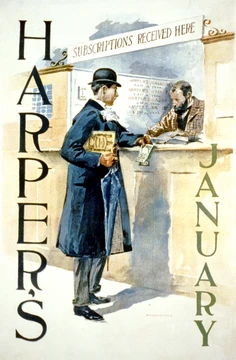
Life (magazine)

Life Magazine · Public domain
Originally published by Time Inc., it became a defining force in photojournalism, known for its emphasis on photographs to tell stories. As of the present, it is owned by Dotdash Meredith, following Meredith Corporation's acquisition of Time Inc.
- founder
- Henry Luce
- field
- Photojournalism and news magazine
- nationality
- American
- known_for
- Pioneering photojournalism and wide-ranging general-interest coverage
Lore & Background
The first issue, selling for ten cents, featured five pages of Alfred Eisenstaedt's photographs and a cover of the Fort Peck Dam photographed by Margaret Bourke-White. Luce's prospectus described the magazine's purpose as enabling the public to see life, the world, and great events through photographs.
Reader's Guide
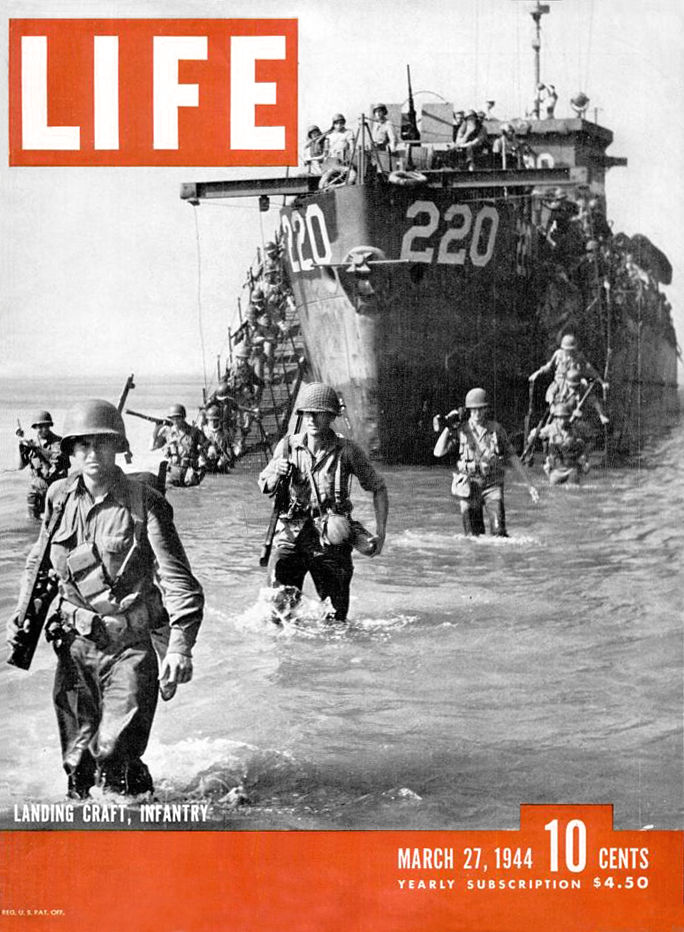
Life's place in the history of photojournalism is considered one of its most important contributions to publishing. population. During World War II, Life covered the war closely, with photographers from all theaters, and supported military art programs. It also published notable works by authors such as Ernest Hemingway's The Old Man and the Sea and Winston Churchill's The Second World War. The magazine's influence waned after the mid-1960s, but its legacy as a definitive photo magazine endures, with its format of giving equal space to images and words shaping modern visual journalism.
Did You Know?
- During World War II, Life hired war photographer Robert Capa, who accompanied the first wave of D-Day and returned with out-of-focus images; the magazine captioned them as 'slightly out of focus'.
A Name Bought for a Vision
He sold the old title's subscription list and content to another humor publication, Judge, freeing the name for his own ambitious project under Time Inc. Luce's internal prospectus articulated a bold mission: to let American readers witness the world through photographs rather than merely reading about it. The first issue, priced at ten cents, featured five pages of Alfred Eisenstaedt's photographs and a cover image of the Fort Peck Dam in Montana by Margaret Bourke-White. The format was revolutionary—text was reduced to captions beneath 50 pages of images printed on heavily coated paper.
Defining an Era of Photojournalism
Its circulation regularly touched a quarter of the U.S. population, making it one of the most widely read periodicals in the country. The magazine's influence on the craft of photojournalism is widely regarded as one of its most significant contributions to publishing history. Life operated out of its own Beaux-Arts building at 19 West 31st Street before later relocating editorial offices to 9 Rockefeller Plaza. The magazine's format—condensed text serving as captions for large-format photographs on premium coated stock—set a standard that reshaped how news and culture were consumed in the United States, and its place in the broader history of visual storytelling remains a cornerstone of the publishing world.
War, Art, and the Home Front
When Congress barred the military from using government funds to hire field artists, Life privatized the program, employing artists released by the Department of War.
The People Behind the Lens
Life's editorial leadership shaped its identity as much as its photographers did. He was known for granting his staff remarkable creative freedom, particularly to a trio of women editors—Sally Kirkland in fashion, Mary Letherbee in movies, and Mary Hamman in modern living.
Gallery

Frequently Asked Questions
What is Life (magazine) known for?
The magazine is best remembered for pushing photojournalism into the mainstream, using large-format photographs as the primary storytelling vehicle rather than leaning on text. Its wide-ranging general-interest coverage of everyday American life set a visual standard that many later publications still try to match.
Why is Life (magazine) important in publishing history?
It essentially defined what a photo-driven news magazine could be, proving that images could carry a narrative as powerfully as words. Its influence shaped the visual language of journalism and inspired countless later publications to prioritize photography in storytelling.
Who owns Life (magazine) today?
The brand is currently held by Dotdash Meredith, which inherited it following Meredith Corporation's acquisition of the title. This places it under the same corporate umbrella as many other well-known American consumer magazines.
More in Magazines 1-19
Spotted an error? Know more?
This is a living reference — every entry is fact-audited, and reader corrections feed straight into our audit queue. Suggest an edit · See this site's audit record